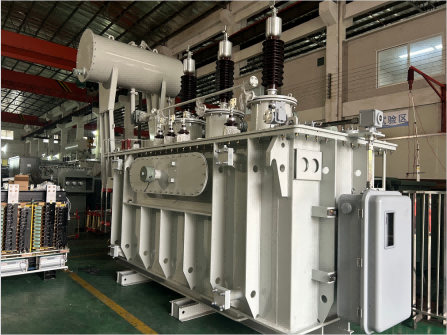
 Coste total de propiedad (CTP): transformadores de tipo seco frente a transformadores sumergidos en aceite
May 05, 2026
Hoy voy a presentarles un concepto muy importante a todos los lectores:Índice sobreTransformador de tipo seco frente a transformador sumergido en aceite.1.¿QUÉ ES EL TCO?Primero, aclaremos los componentes principales del TCO (no solo el precio de compra).TCO = Costo de adquisición inicial + Costo de instalación y construcción civil + Costo de pérdida operativa + Costo de mantenimiento + Costo de cumplimiento y seguro + Valor residual / Costo de disposición + Costo de riesgo de tiempo de inactividad ocultoEsta es la lógica clave al comparar el tipo seco y transformadores sumergidos en aceite.Muchos clientes solo se fijan en el precio del equipo, ignorando las pérdidas a largo plazo de cobre y hierro, los costes de protección civil y contra incendios, la operación y el mantenimiento, y los riesgos de incendio. 2.Principales diferencias en el costo total de propiedad: comparación artículo por artículo、a.Costo inicial de adquisición (CAPEX)Inmersos en aceite (llenos de líquido):Con la misma capacidad y nivel de voltaje, el precio unitario es menor. El diseño avanzado del acero al silicio y del bobinado proporciona importantes economías de escala.Tipo seco:Estructura de resina epoxi moldeada o de tipo abierto, mayor coste de material y proceso, precio inicial del equipo significativamente más elevado.b. Instalación, obras civiles e infraestructura de apoyoSumergido en aceite:Requiere foso de contención de aceite, muros cortafuegos, foso de drenaje de aceite, sistema de extinción de incendios, sala de transformadores independiente o vallado exterior.→ Alta inversión en infraestructura civil, protección contra incendios y sistemas antifugas, mayor superficie ocupada.Tipo seco:Sin aceite, sin protección contra explosiones, requisitos mínimos de protección contra incendios.Puede instalarse en interiores (salas de distribución, plantas, sótanos) sin necesidad de fosos de aceite ni compartimentos contra incendios.→ Costes de obra civil significativamente menores y menor impacto ambiental.c. Coste de las pérdidas operativas (componente más importante del coste total de propiedad, el más crítico a largo plazo)Las pérdidas en vacío y con carga son similares, pero el tipo seco tiene una disipación de calor ligeramente inferior, lo que provoca un mayor aumento de temperatura bajo la misma carga.Las unidades llenas de aceite tienen mejor capacidad de refrigeración y de sobrecarga → eficiencia a largo plazo ligeramente mejor bajo carga máxima.El costo total de propiedad (TCO) debe calcularse en función de los costos de pérdida de energía durante 20 a 30 años.Las diferencias son más pronunciadas en condiciones de baja carga o en modo de espera.d. Costo de mantenimiento (OPEX)Sumergido en aceite:Requiere análisis de aceite periódicos, filtración, rellenado, inspección de fugas, limpieza de bujes y mantenimiento del ventilador de refrigeración.→ Mayor frecuencia de mantenimiento y mayores costos continuos de mano de obra y materiales.Tipo seco:Prácticamente no requiere mantenimiento. Solo limpieza básica del polvo y comprobación del aislamiento.Sin riesgos de manipulación o fugas de petróleo → coste de operación y mantenimiento del ciclo de vida muy bajo.e. Seguridad, cumplimiento normativo y costes de riesgos ocultosSumergido en aceite:Utiliza aceite aislante inflamable → riesgo de incendio, contaminación por fugas, problemas de cumplimiento ambiental.Su uso está restringido en edificios de gran altura, centros comerciales, hospitales y espacios subterráneos.Altos costes de inspección contra incendios y posibles pérdidas económicas enormes por tiempo de inactividad en caso de incendio.Tipo seco:Retardante de llama o no inflamable, sin fugas de aceite, respetuoso con el medio ambiente.Adecuado para interiores, edificios de gran altura, zonas subterráneas, zonas a prueba de explosiones y áreas densamente pobladas.→ Costes ocultos prácticamente nulos relacionados con incendios, sanciones medioambientales o tiempos de inactividad.f. Vida útil, valor residual y costo de eliminaciónSumergido en aceite:Vida útil de 25 a 30 años. El aceite, el núcleo y los devanados del transformador tienen un alto valor de reciclaje.Sin embargo, la eliminación requiere un tratamiento profesional del petróleo → coste medioambiental.Tipo seco:Vida útil de 20 a 30 años. No requiere eliminación de aceite.Los bobinados de epoxi tienen un valor de reciclaje ligeramente inferior. 3. Conclusión de la selecciónCuando el aceite sumergido tiene un mejor costo total de propiedad (TCO)?Subestaciones exteriores o parques industrialescon amplio espacio y sin restricciones estrictas de incendios.;Gran capacidad, alta carga, funcionamiento a largo plazo → beneficiarse de Menor coste inicial y mejor refrigeración;Terreno suficiente e inversión aceptable en obras civiles y contra incendios,menor preocupación por la mano de obra de mantenimiento.Cuando el tipo seco tiene un mejor TCO?Edificios de gran alturacentros comerciales, hospitales, metros, sótanos y zonas densamente pobladas;Plantas químicas a prueba de explosiones, salas blancas,instalaciones con estrictas normas medioambientales;Evite grandes inversiones en infraestructura civil/contra incendios, prefiera un bajo mantenimiento y un riesgo reducido de incendio/ambiental.;Aunque el costo inicial es mayor, Durante más de 20 años, los ahorros en obras civilesLos costos de operación y mantenimiento, así como el riesgo, superan con creces la diferencia de precio.menor TCO total. 4. Enfoque estándar para la elaboración de un informe de TCO (lógica de la plantilla)a. Establecer supuestos unificados: misma capacidad, voltaje, clase de pérdida, vida útil (20/30 años) y precio de la electricidad.b. Desglose de costos: costo del equipo, costo civil/contra incendios, costo anual de pérdida de energía, mantenimiento anual, prima de riesgo, valor residual.c. Aplicar el cálculo del costo del ciclo de vida con descuento y determinar el período de recuperación (cuántos años se necesitan para recuperar el costo más alto del tipo seco a través de ahorros en energía, O&M y obras civiles).
LEE MAS

 en
en fr
fr es
es



 IPv6 RED SOPORTADA