
 en
en fr
fr es
es
1. Pérdida en vacío Po: básicamente al mismo nivel.
Po depende principalmente del material del núcleo y de la densidad de flujo magnético de diseño. Para la misma clase de eficiencia, Transformadores sumergidos en aceite y Transformadores de tipo seco utilizar el mismo nivel de grano laminado en frío orientado Láminas de acero al silicio (CRGO) o incluso aleaciones amorfas, por lo que Po puede estar muy cerca.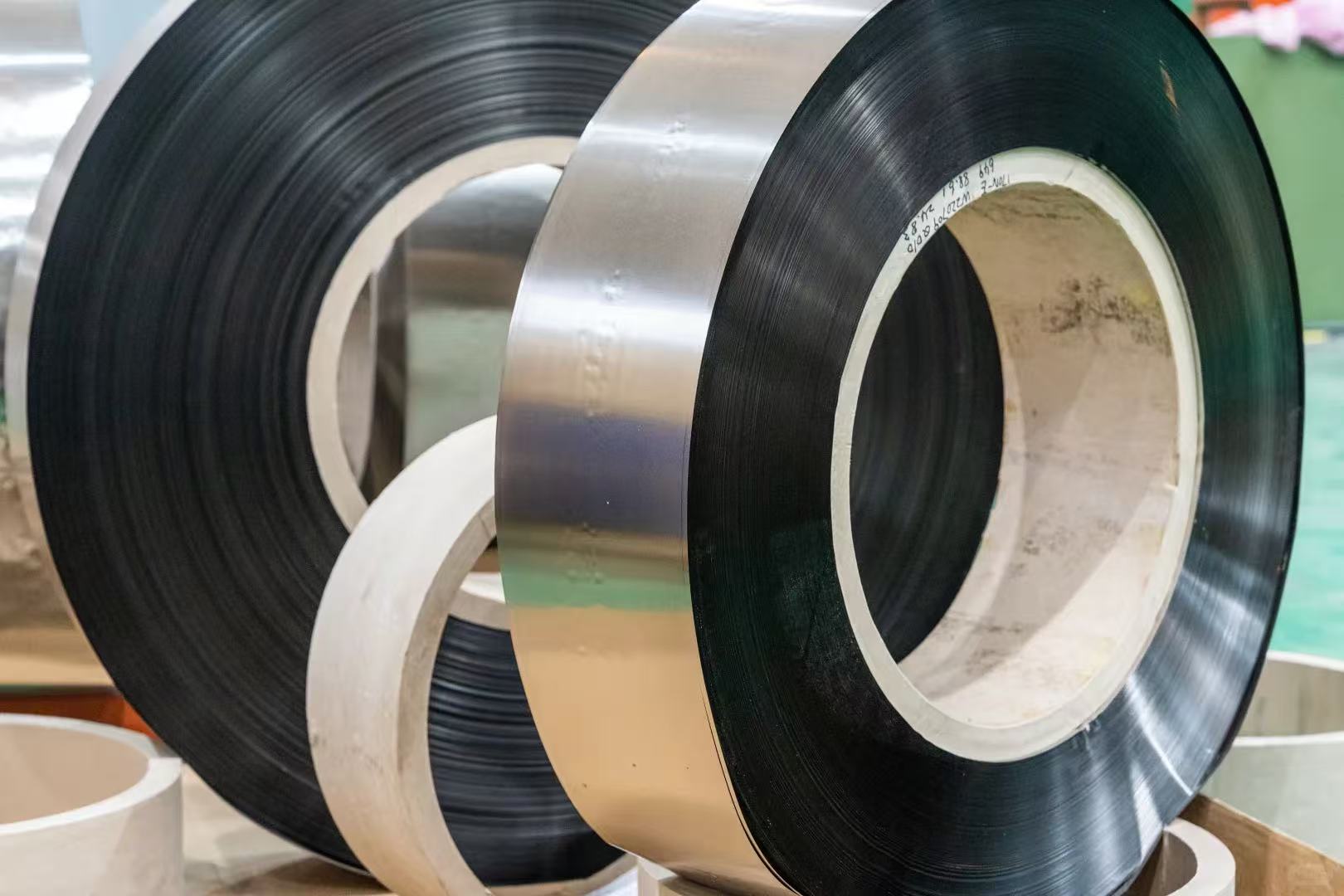
2. Pérdida de carga Pk: los transformadores sumergidos en aceite tienen una ventaja a la "temperatura real de funcionamiento".
Este es el punto clave de divergencia:
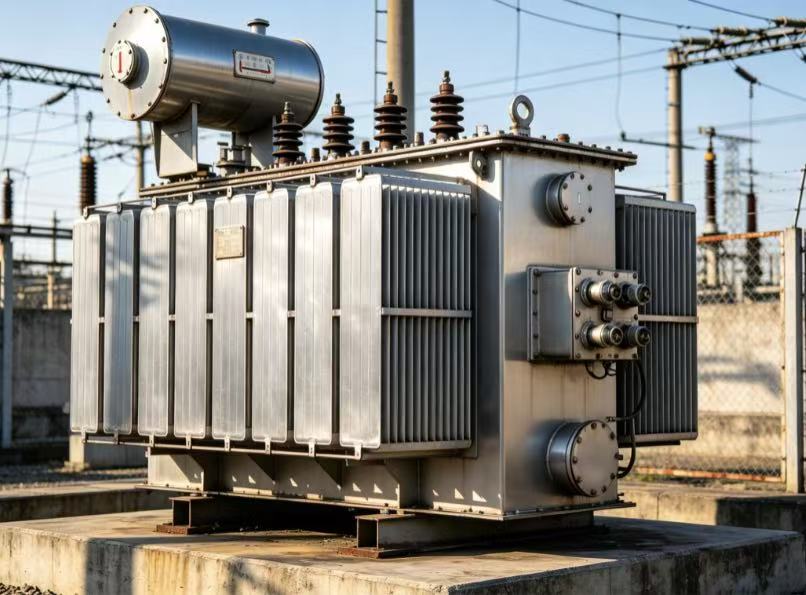
Inmersión en aceite: El calor generado por el bobinado se disipa rápidamente gracias al aceite, lo que resulta en una temperatura uniforme del aceite y temperaturas de puntos calientes más controladas. El aumento de temperatura de la resistencia es relativamente controlable ⇒ R(T) en Pk = I²R(T) no alcanzará valores demasiado altos.
Bobinado sumergido en seco (con resina epoxi): Si bien los materiales aislantes de clase F (155 °C) o clase H (180 °C) permiten temperaturas más elevadas, para optimizar la vida útil, el sistema de control suele mantener la temperatura del bobinado dentro de un rango más conservador (por ejemplo, entre 120 y 130 °C a largo plazo). Una vez que se acerca al umbral, limita la carga o detiene el ventilador a máxima velocidad.
Resultado: Con la misma cantidad de conductores y margen de diseño, es más probable que la potencia pico (Pk) de un transformador sumergido en aceite se estabilice en un valor efectivo menor durante un funcionamiento prolongado a alta carga; esto no se debe a "diferentes cables de cobre", sino más bien a un disipador de calor más potente.
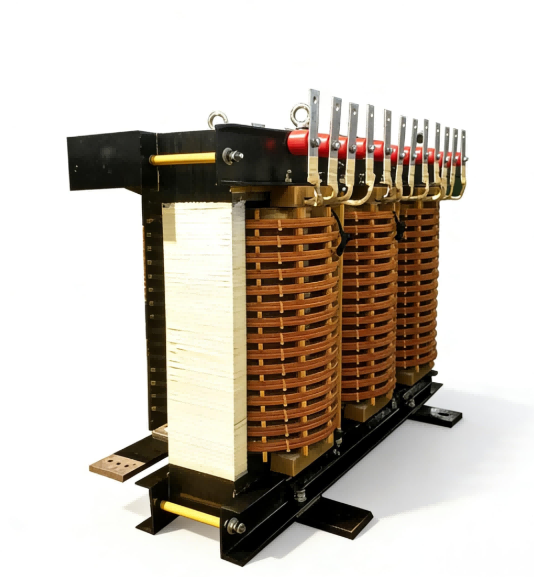
3. La disipación de calor determina un factor de eficiencia oculto: la "Eficiencia de Sobrecarga Disponible". Esto significa que si las características de carga son consistentemente altas (>75%), la curva de eficiencia operativa general de un transformador hidráulico será mejor y más duradera que la de un transformador de tipo seco. Por el contrario, si la tasa de carga fluctúa a un nivel bajo o medio durante todo el año, la diferencia de eficiencia entre ambos se minimizará.
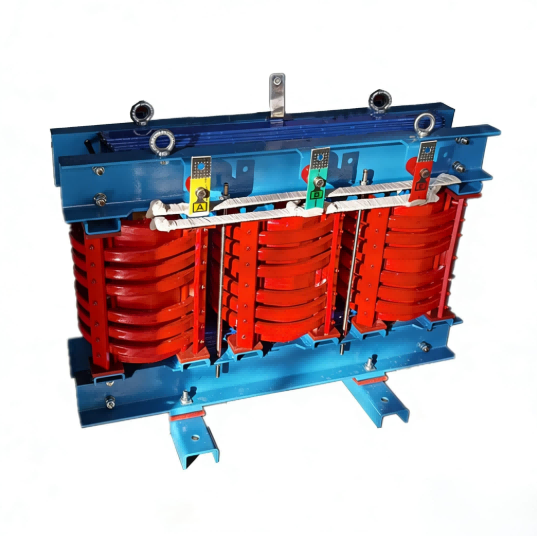
En resumen, la eficiencia no radica en la denominación entre transformadores sumergidos en aceite y de tipo seco, sino en la adecuación de las condiciones de funcionamiento. Los transformadores sumergidos en aceite destacan por sus menores pérdidas totales y mayores márgenes térmicos bajo altas cargas y largos periodos de funcionamiento; los transformadores de tipo seco destacan por su funcionamiento sin mantenimiento, su limpieza, su seguridad y una eficiencia comparable bajo cargas razonables (evitando sobrepasar los límites). Lo que realmente reduce la eficiencia no es el tipo de transformador en sí, sino dos desajustes: la sobrecarga (alimentar una carga pequeña mientras el transformador está infrautilizado) o la subcarga (sobrecalentamiento y limitación de la capacidad de carga).

Dirección : Room 201, West Building A, Dawei Logistics, Xihai Industrial Zone, Lecong Town, Shunde District, Foshan City
Puedes darte de baja en cualquier momento. Para ello, consulte nuestra información de contacto en el aviso legal.


 IPv6 RED SOPORTADA
We will contact you as soon as possible
Hi! Click one of our members below to chat on
